News
Bread, that great unknown
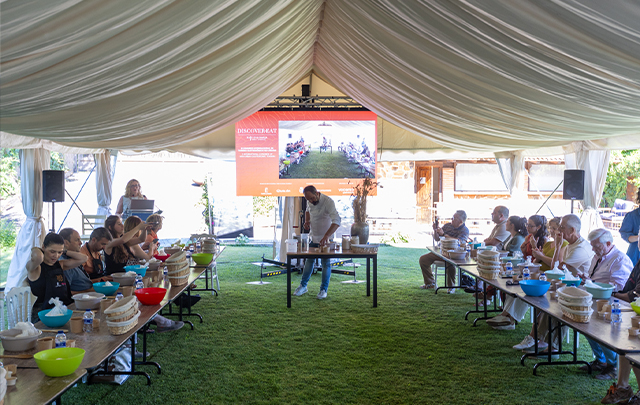
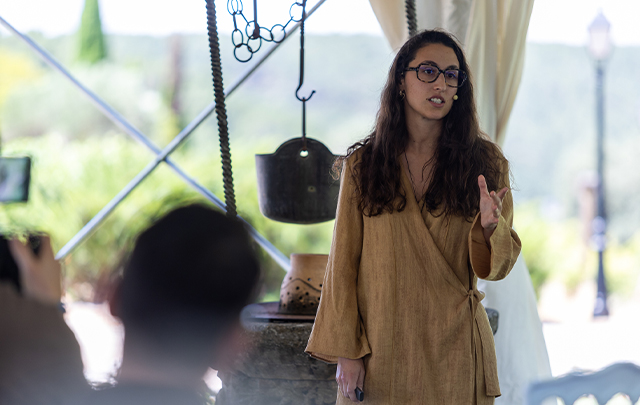
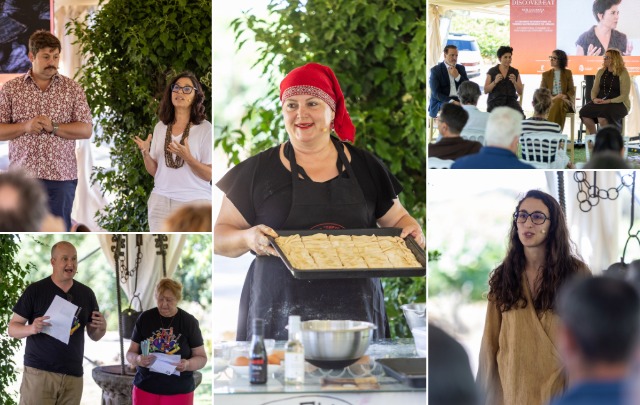
At the Molino de La Alcuneza, in the northern mountains of Guadalajara, Samuel Moreno turned a hands-on bread-making workshop into a brief lesson in biology, agronomy and gastronomy. Starting with a basic recipe, he showed forty participants how, using flour, water, salt, yeast, sourdough starter and time, it is possible to make decent bread at home without over-kneading. Whilst the dough was resting, the chef explained the structure of the wheat grain and pointed out that 95 per cent of bread today is made using only the endosperm, discarding the germ and bran – precisely where the vitamins, minerals and fibre are concentrated.
Samuel demonstrated through an experiment how, when flour and water are mixed, the sugars dissolve and the gluten proteins form a kind of elastic ‘chewing gum’ that traps the gas produced during fermentation and gives the bread its volume, turning it into something that, due to its high sugar content, resembles a sweet treat more than a staple food. At the same time, he criticised the loss of agricultural biodiversity and our reliance on modern wheat varieties – which are hyper-productive and rich in complex gluten – that our digestive system has not had time to ‘learn’ how to process.
In the face of intensive monocultures and patented seeds, he advocated a return to ancient wheat varieties and stone-ground wholemeal flours, which offer flavour and better gut health. Sourdough played a central role: a living culture of yeasts and bacteria which, thanks to its enzymes, pre-digests starches and proteins, improves the digestibility of bread and extends its shelf life. Moreno recounted the history of his own ‘centenary’ sourdough starter, created from yeasts found on an apple tree next to the mill, and gave each participant a jar to continue the chain at home.
The session culminated in shaping loaves in proofing baskets, accompanied by clear instructions for baking in a domestic oven: maximum temperature and steam at the start to allow the bread to rise before the crust forms, followed by a gentler, drier finish to harden it. Amidst jokes, the chef insisted that making bread is not a laboratory feat, but a simple process that requires, above all, an understanding of the ingredients and respect for the timing. The underlying message was clear: reviving good wheat, good flours and good starters is not just a matter of flavour, but of health and the agricultural model.
Related news
News
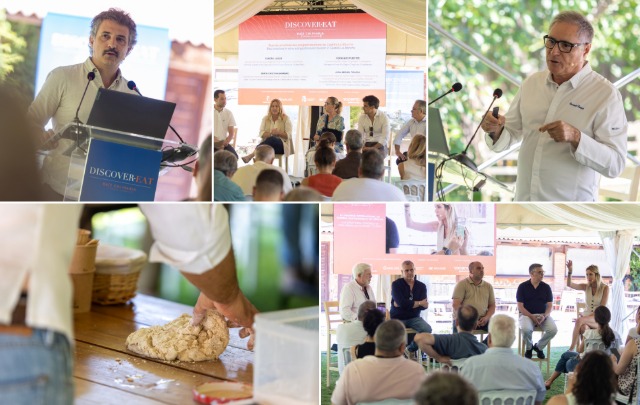
Discover-Eat charts a course towards better gastronomic towns and regions with a bright future
News
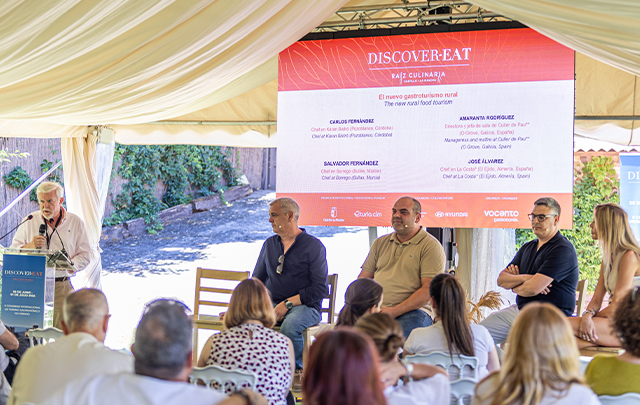
Gastronomic tourism as a lifeline for the countryside
News
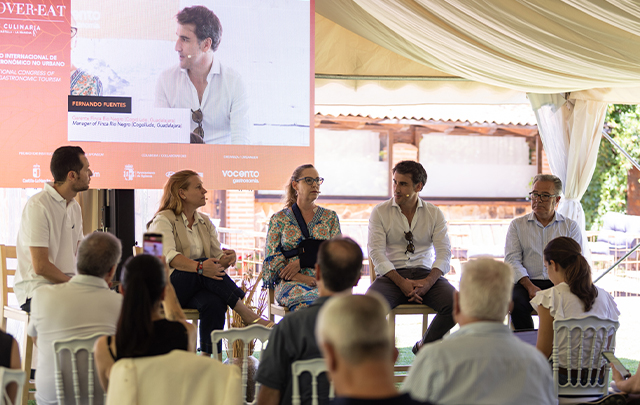
Wine tourism is being reinvented in Castilla-La Mancha: from the cult of wine to enjoyment without snobbery
News

When Spain didn’t know how to market its cuisine or its stars
News

Huesca: a hub for haute cuisine and radical hospitality
News
Rural tourism is also looking to the stars for allies
News
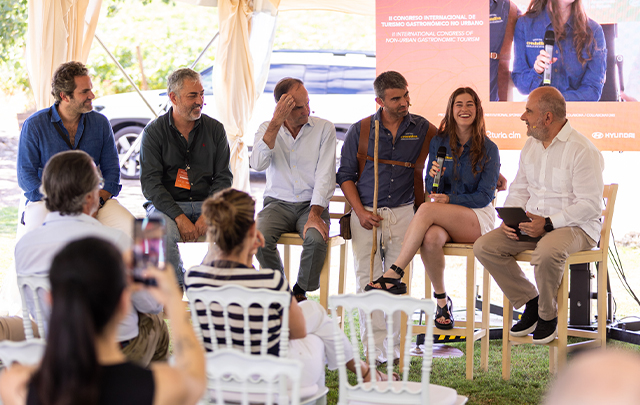
Rural tourism and artisan cheeses: how the Spanish countryside is reinventing itself
News
Astrotourism and dark skies: when the countryside becomes cosmic luxury
News
The winegrower who brought the stars together with the glass: Juan Jesús Valdelana’s wine tourism revolution
News