News
Wine tourism is being reinvented in Castilla-La Mancha: from the cult of wine to enjoyment without snobbery
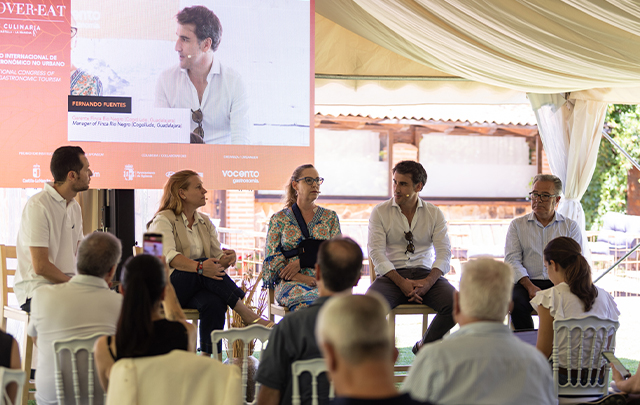
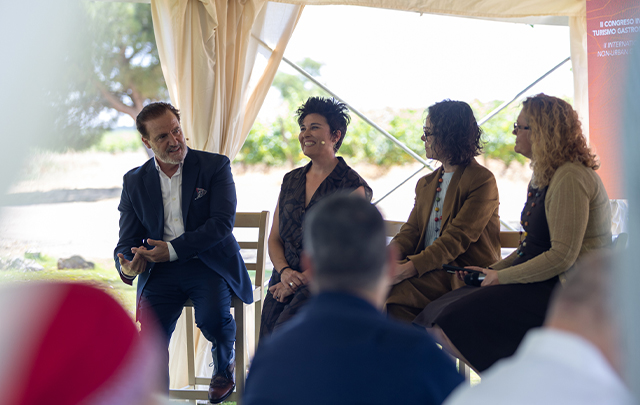
The round-table discussion on best practices in wine and food tourism in Castilla-La Mancha highlighted how wine has become a key tool for attracting visitors, enhancing the region’s appeal and boosting the local economy. Sandra Luque (Pago del Vicario) strongly defended the value of the “world’s largest vineyard”, lamenting that its sheer size has been demonised rather than recognising the optimal conditions that explain its existence, and emphasised the role of wine tourism in building credibility: “if you don’t believe it, come and see for yourself”.
María Cristina Barrero (Bodega Martúe) emphasised that tourists are no longer looking for a mere “visit and tasting”, but for complete experiences: wine, locally sourced produce, an authentic rural setting and a “very Manchego” style that makes them feel they are truly in Castilla-La Mancha – something of particular interest to the American public.
Speaking on behalf of Finca Río Negro, Víctor Fuentes emphasised that wine tourism is “vital” for the winery, as it allows them to treat visitors as “guests” – rather than customers – for an hour and a half, and to show them the enormous amount of work that goes into every bottle. He criticised the snobbery within the sector and advocated for simple language, enjoyable tours and wine being seen as an everyday, socialising activity, rather than a solemn affair. In the same vein, Juan Miguel Tolosa (Pagos de Familia Vega Tolosa and president of the La Manchuela Wine Route) explained how coordination between wineries, the hospitality sector and accommodation providers has created an integrated offering that is attracting high-quality tourism, underpinned by a rapidly evolving gastronomic scene and a stunning natural setting.
The speakers agreed on the need to reconnect wine with its role as a staple of the Mediterranean diet and to combat its current ‘criminalisation’, advocating moderate and social consumption. They also highlighted new consumer trends (fresher wines, sparkling wines, non-alcoholic wines) and immersive experiences such as participatory grape harvests or festive fairs like Fenavin Pago del Vicario, which break with the rigidity of traditional trade fairs. Finally, sustainability emerged as a cross-cutting theme: organic wineries, the use of renewable energy, the restoration of biodiversity and the creation of regional labels all aim to ensure that wine also serves as a driving force for life in villages and their landscapes.
Related news
News
Discover-Eat charts a course towards better gastronomic towns and regions with a bright future
News
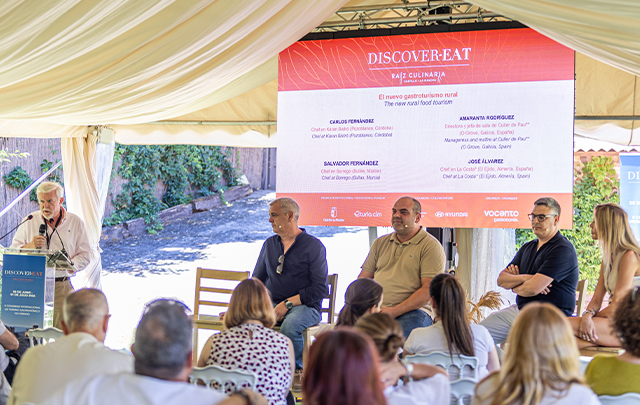
Gastronomic tourism as a lifeline for the countryside
News

When Spain didn’t know how to market its cuisine or its stars
News

Huesca: a hub for haute cuisine and radical hospitality
News
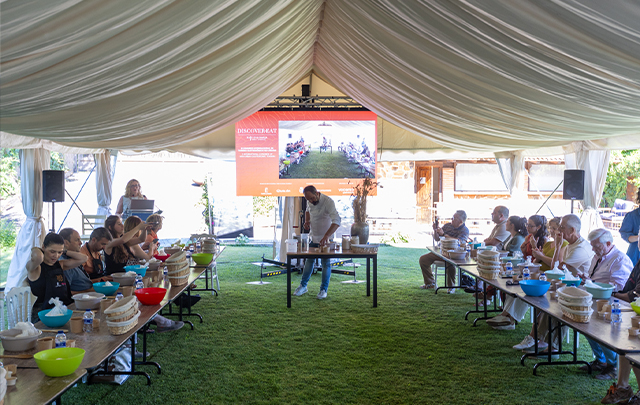
Bread, that great unknown
News
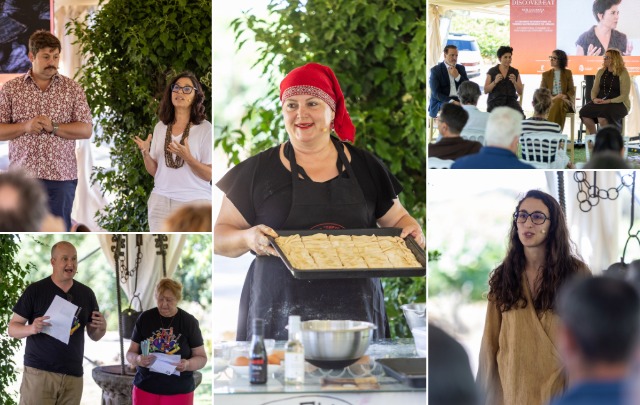
Rural tourism is also looking to the stars for allies
News
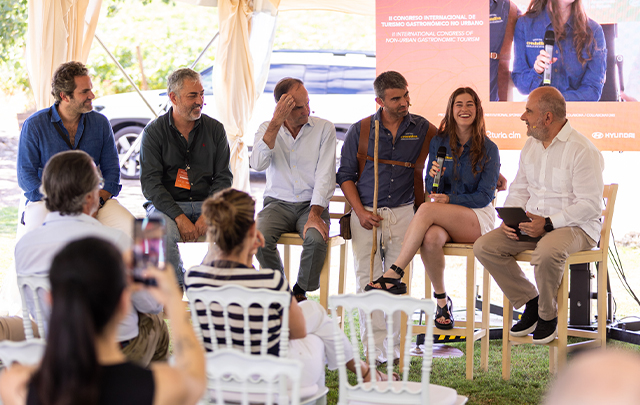
Rural tourism and artisan cheeses: how the Spanish countryside is reinventing itself
News
Astrotourism and dark skies: when the countryside becomes cosmic luxury
News

The winegrower who brought the stars together with the glass: Juan Jesús Valdelana’s wine tourism revolution
News