News
Huesca: a hub for haute cuisine and radical hospitality

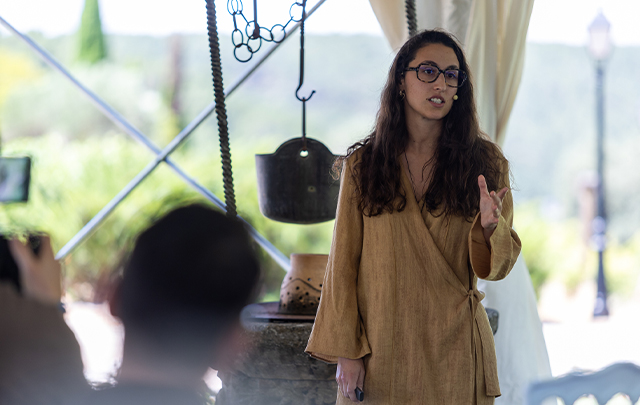
Huesca is approaching the upcoming 2027 Michelin Guide ceremony as the culmination of a decades-long process in which local produce, the region and its people have come together to transform a small province into a major gastronomic destination. This was explained by chef Carmelo Bosque and hospitality consultant and trainer Alfredo Lachos, who championed a model rooted in rural traditions, craftsmanship and a culture of service. Bosque traced the journey that began at the legendary Navas – Alto Aragón’s first Michelin-starred restaurant – and has led to a region of 250,000 inhabitants boasting eight Michelin stars scattered across valleys, tiny villages and agricultural districts. Teruel truffles, lamb, vegetables and a cuisine that ‘brings the landscape to the plate’ weave a narrative underpinned by bold decisions, such as transforming restaurants seating 500 diners into establishments with just three tables, focused on the happiness of those who run them.
The chef highlighted the role of masters such as Martín Berasategui and Ferran Adrià, and of a network of Aragonese talent – from Tonino at Tatau to Toño Rodríguez and Iris and Bruno Jordán – who have woven a veritable constellation of personal projects, many of which originated in villages with barely twenty inhabitants. At the same time, Bosque championed the importance of hospitality schools and Huesca’s centre for gastronomic innovation, which focuses on produce and food, and presented the forthcoming Michelin gala as a collective celebration where “no money will be taken” and the city will serve as a pedestrianised stage for the festivities.
From a service perspective, Alfredo Lachos identified the key to success not in décor or infrastructure, but in people. “Serving is not about being a servant or a slave; it is an act of hospitality,” he stated, championing hospitality as the art of welcoming, attending to and seeing off guests to leave a lasting emotional impression. He criticised the fact that many businesses are managed solely using spreadsheets, sidelining Human Resources, and advocated for basic talent management tools such as performance appraisal, management by objectives and measuring workplace morale. For Lachos, true luxury today lies in authenticity, warmth, time and a smile; the customer does not buy a menu or a room, but rather the experience they had.
The trainer emphasised that waiters and hosts must act almost like actors, mastering not only technique but also body language, eye contact and communication, and extended the responsibility for creating the experience to receptionists, chefs, guides and producers. Huesca, he argued, has successfully built a regional brand thanks to a dozen professionals who ‘sowed the seeds’ of gastronomy and adventure tourism in the Pyrenees, and who now serve as a model for other rural areas. Technology and artificial intelligence, he added, only work if they are underpinned by human intelligence, and online platforms and reviews are now a key lever for positioning establishments and justifying price increases.
Lachos also warned that Spain, despite remaining among the countries that attract the most tourists and generate the highest revenue, has lost some of its excellence in service – a problem that can only be rectified through practical training in customer service and managing egos. His conclusion was unequivocal: the tourism of the future will not be that which has the best hotels or restaurants, but that which has the best people.
Nestled between the Pyrenees and the Somontano countryside, Huesca stands out precisely as the region where haute cuisine and hospitality have become a shared endeavour.
Related news
News
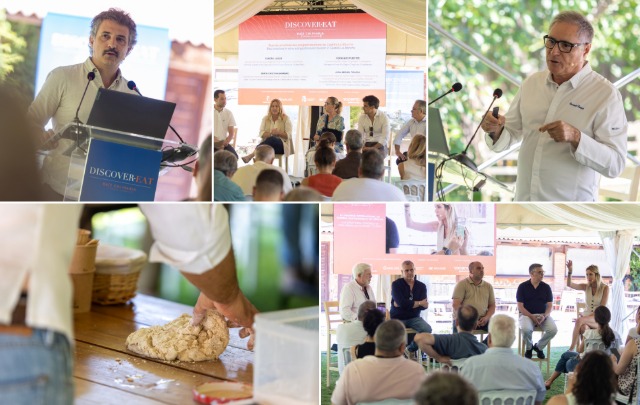
Discover-Eat charts a course towards better gastronomic towns and regions with a bright future
News
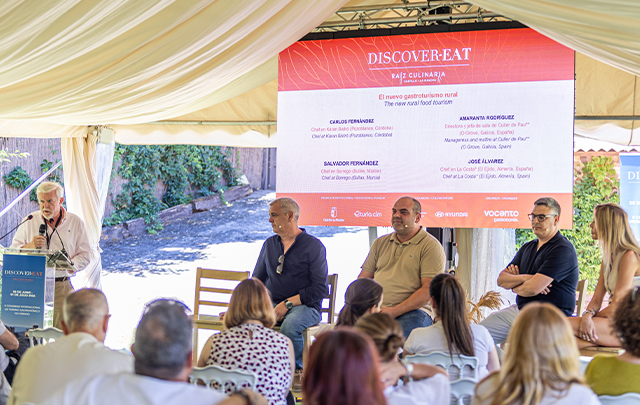
Gastronomic tourism as a lifeline for the countryside
News
Wine tourism is being reinvented in Castilla-La Mancha: from the cult of wine to enjoyment without snobbery
News

When Spain didn’t know how to market its cuisine or its stars
News
Bread, that great unknown
News
Rural tourism is also looking to the stars for allies
News
Rural tourism and artisan cheeses: how the Spanish countryside is reinventing itself
News
Astrotourism and dark skies: when the countryside becomes cosmic luxury
News

The winegrower who brought the stars together with the glass: Juan Jesús Valdelana’s wine tourism revolution
News