
News
Gastronomic tourism as a lifeline for the countryside
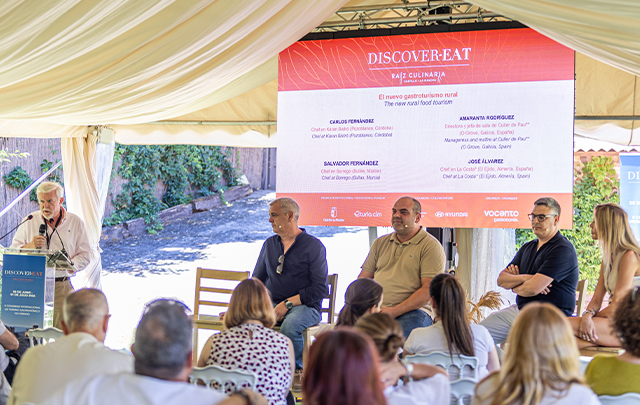
The round-table discussion highlighted how gastronomic tourism has become a real tool for retaining the population and preserving culture in rural areas.
Amaranta Rodríguez explained the case of Culler de Pau, in the Rías Baixas, where the seasonal nature of tourism led them to create Dormideira, a range of rural apartments designed as a “natural extension” of the restaurant to attract visitors all year round.
She also highlighted efforts towards self-sufficiency and the revival of native varieties, such as curly kale and ‘millo corvo’, and how demand from restaurants has encouraged farmers to revive products that were disappearing.
Carlos Fernández, from Karan (Carambistro) in Pozoblanco, championed the holistic promotion of the Los Pedroches dehesa: from Iberian pork to Merino lamb, including family vegetable gardens, honey and wild mushrooms, all presented to diners with authenticity.
He explained how they even produce their own olive oil and work with ingredients such as acorns, which are turned into flour or used as the basis for reinterpreted traditional dishes, thereby strengthening the link between the restaurant and local producers.
Salvador Fernández outlined the model of Casa Borrego, a gastronomic hotel in Bullas (Murcia), a former flour mill transformed into a destination offering a complete experience: fine dining, a comfortable bed and nature as its main attraction. He highlighted “common sense and passion” as the keys to success, alongside reasonable prices, a carefully selected team and a concept that has generated a constant waiting list and a sense of local pride in a small village with a wine designation of origin.
He also highlighted the social impact: locals who previously viewed a high-priced menu with suspicion now recommend the establishment and take pride in the fact that Bullas is making a name for itself beyond the region, even in places as far afield as Egypt. José Álvarez, for his part, described the transformation of his restaurant in El Ejido, which began as a roadside bar next to an industrial estate and is now a benchmark for seafood from the Alboran Sea and produce from the Almeria countryside.
Having recognised Almería’s lack of appeal to tourists and the competition from other Michelin-starred destinations, he has opted for an immersive space: a glasshouse with tomato plants and vegetables, a garden of native plants, and a journey that emotionally prepares the diner.
Álvarez acknowledged how haute cuisine had for years suffered from an inferiority complex, copying foreign models, and advocated a decisive shift towards local produce: RAF tomatoes, peppers, local peas and fish, moving away from dishes unrelated to the region.
All four agreed that the partnership between chefs, farmers and livestock breeders, combined with quality accommodation, makes rural gastronomy an economic, cultural and identity-defining driving force for their regions.
Related news
News
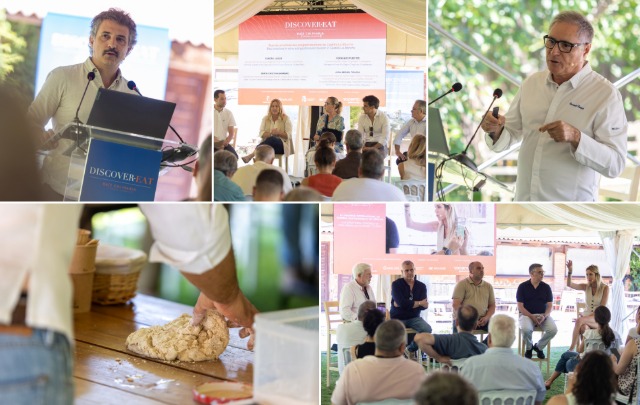
Discover-Eat charts a course towards better gastronomic towns and regions with a bright future
News
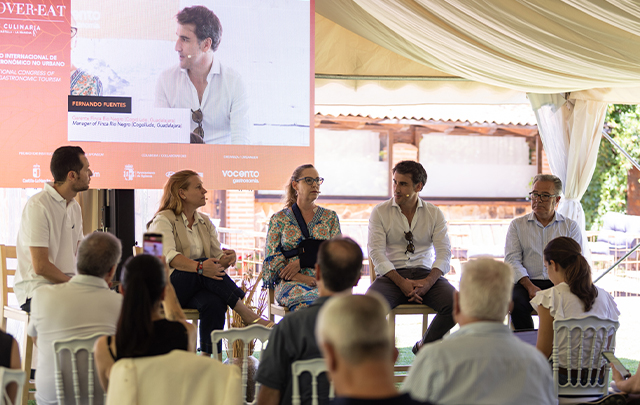
Wine tourism is being reinvented in Castilla-La Mancha: from the cult of wine to enjoyment without snobbery
News

When Spain didn’t know how to market its cuisine or its stars
News

Huesca: a hub for haute cuisine and radical hospitality
News
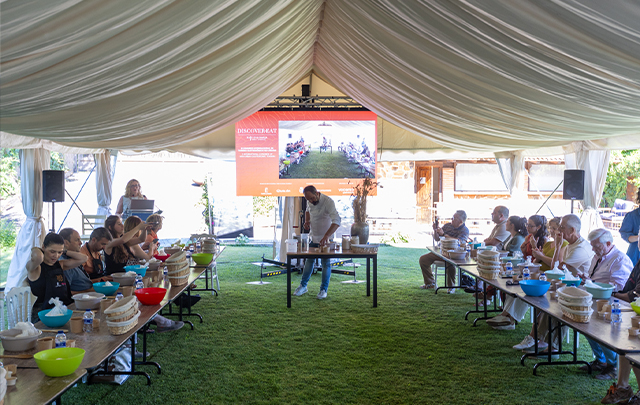
Bread, that great unknown
News
Rural tourism is also looking to the stars for allies
News
Rural tourism and artisan cheeses: how the Spanish countryside is reinventing itself
News
Astrotourism and dark skies: when the countryside becomes cosmic luxury
News

The winegrower who brought the stars together with the glass: Juan Jesús Valdelana’s wine tourism revolution
News