
News
Erik Wolf: “Gastronomic tourism doesn’t create heritage it reveals it”
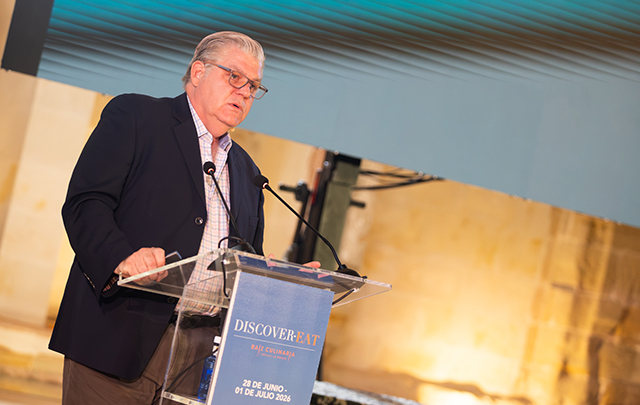
Erik Wolf argued that culinary tourism can and should be a tool for making regions more livable, provided that the focus is not on the visitor but on the heritage and the community that sustains it. He warned that what is being lost is not just dishes, but living knowledge: techniques, memories, and stories embodied in people like “Antonia,” the village bar cook whose expertise cannot be contained in a museum or a written recipe.
Wolf emphasized that gastronomic heritage does not disappear due to a lack of quality, but rather due to a lack of recognition and visibility: it exists, but it is invisible to both residents and tourists. He criticized the fact that the international image of Spanish gastronomy is reduced to clichés—paella, sangria, tapas—while an immense wealth of cured meats, cheeses, stews, wines, and agricultural products of the highest quality remains hidden. According to data he shared, Spain ranks only tenth in a recent global ranking of culinary tourism, behind countries such as Germany and Austria—not because of a lack of great chefs or Michelin stars, but because it has failed to articulate and communicate its everyday heritage.
To reverse this situation, he argued that the goal should not be to create better places to visit, but better places to live; when that happens, attractive destinations emerge almost naturally. He proposed moving from an isolated heritage to a connected one, where producers, chefs, products, and stories are woven into a network and form strong destinations. In this vein, he presented the creation of “Test of Place España,” an organization dedicated to connecting national and international networks and giving global visibility to Spain’s gastronomic heritage, while simultaneously protecting culture, the local landscape, and economic opportunities for local communities.
Related news
News
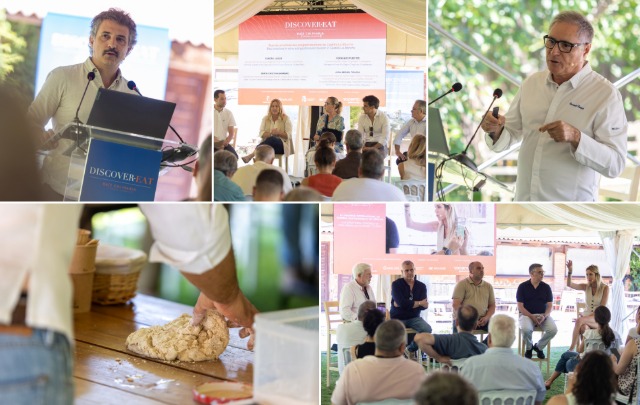
Discover-Eat charts a course towards better gastronomic towns and regions with a bright future
News
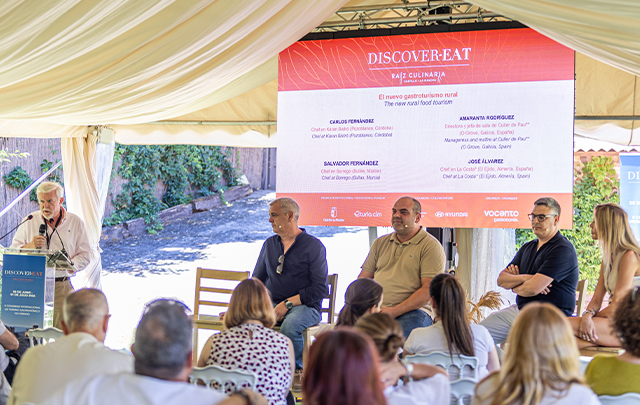
Gastronomic tourism as a lifeline for the countryside
News
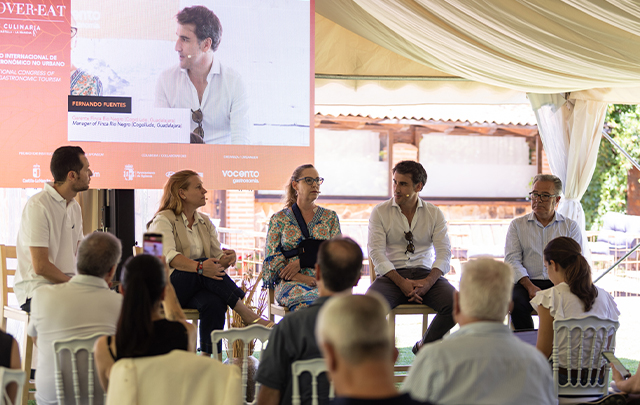
Wine tourism is being reinvented in Castilla-La Mancha: from the cult of wine to enjoyment without snobbery
News

When Spain didn’t know how to market its cuisine or its stars
News

Huesca: a hub for haute cuisine and radical hospitality
News
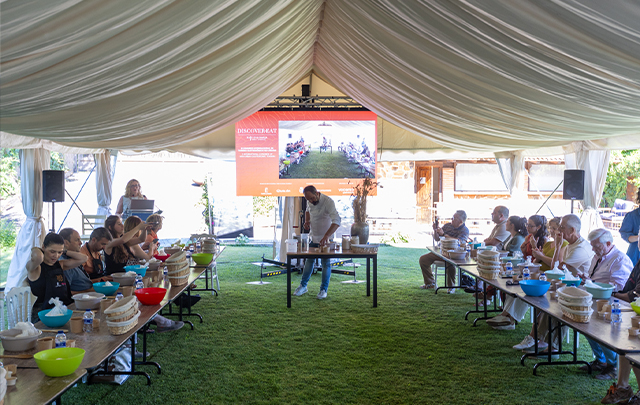
Bread, that great unknown
News
Rural tourism is also looking to the stars for allies
News
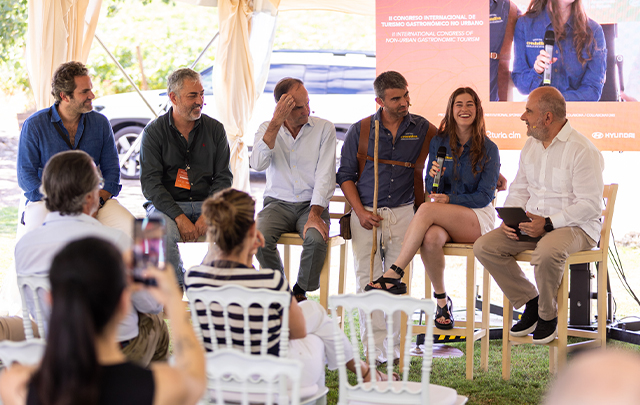
Rural tourism and artisan cheeses: how the Spanish countryside is reinventing itself
News
Astrotourism and dark skies: when the countryside becomes cosmic luxury
News