
News
Gastronomic towns: when cuisine changes the fate of a region
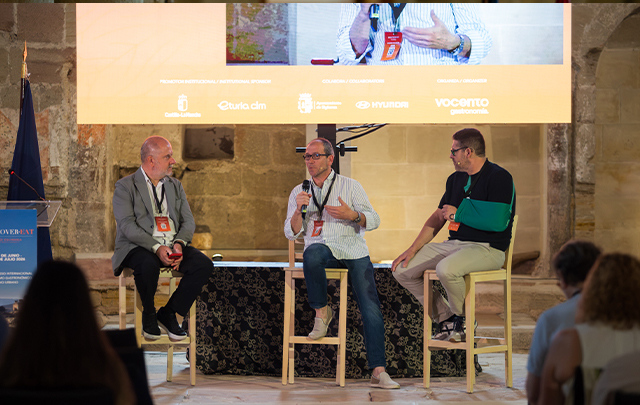
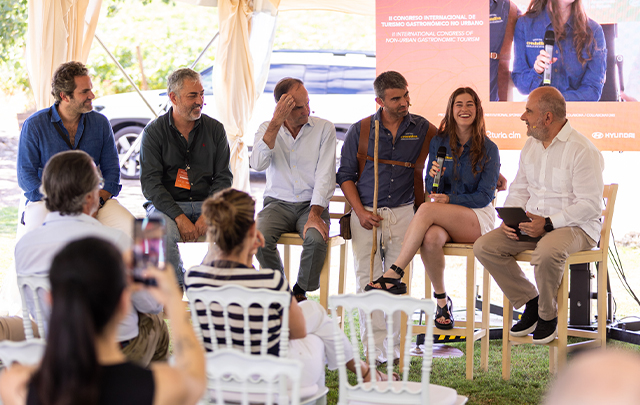
Enrique Pérez (El Doncel, Sigüenza) and Vicent Guimerà (L’Antic Molí, Ulldecona) took part in a round-table discussion, moderated by Benjamín Lana, in which haute cuisine was presented as a tool for rural transformation rather than a gastronomic luxury. Both chefs explained how they decided to commit to staying in their villages and building solid projects that would help retain the local population and create stable employment.
Guimerà described how, starting with a Michelin-starred restaurant and a bistro, he has developed a model that is almost self-sufficient in vegetables thanks to a family farm converted into a productive and experimental vegetable garden. There, they grow everything from tomatoes and courgettes to edible flowers, and have even incorporated wedding banquets into a radical approach to seasonality: if there are no tomatoes, the bride and groom do not eat tomatoes.
Enrique Pérez, for his part, recounted his return to Sigüenza and the hard lesson of inadvertently ruining a family business that had been thriving by attempting to ‘turn the village into Zalacaín’. Out of that crisis came the conviction to build a unique concept, rooted in the local area, which offers diners the certainty that they have been to Sigüenza not only for its historic buildings, but for what they have eaten: in-season green chickpeas, roe deer when in season, and wild mushrooms at the right time of year.
The conversation focused on partnerships with small-scale farmers as a driving force for identity and differentiation. Pérez explained how he has persuaded farmers to sell him green chickpeas, rather than dried ones, with his team handling the manual harvesting themselves. Beyond the product itself, he argued, what reaches the plate is a feeling rooted in the countryside, hard work and the taste memories of childhood.
Guimerà highlighted the driving potential of gastronomy when linked to other forms of heritage: in Ulldecona, restaurants coexist with millennia-old olive trees recognised by UNESCO and a remarkable diversity of olive varieties, making olive oil the centrepiece of the culinary narrative. The presence of two Michelin stars in the same municipality and three in the area around the River Sénia has created a small gastronomic hub that benefits the whole region.
Both chefs championed a form of haute cuisine that does not reject tradition, but rather respects and updates it. Pérez championed techniques such as escabeche, not as a nostalgic gesture, but as a culinary preservation method that must not be “ruined by doing daft things”. In the face of the standardisation of menus – the same migas, the same suckling lamb, the same garlic soups – he advocated for personal creations that engage with local heritage.
The discussion also turned to a critique of the administrative hurdles which, according to the speakers, stifle rural entrepreneurship. From the bureaucratic ordeal of keeping a few simple hens to environmental regulations which, in his view, fail to recognise the reality on the ground, Pérez called for chefs working in the field to be consulted before legislation is passed on hunting, fishing or livestock farming. Regulation does not mean prohibition, he argued, but rather the controlled management of resources such as roe deer, wild boar and crabs.
In this context, Benjamín Lana cited the Terrae movement as an example of the momentum being gained by a new generation of socially conscious rural chefs. Projects spread across depopulated areas of Spain demonstrate that it is possible to transform villages that people merely pass through into significant gastronomic destinations when there is a clear narrative, honest cuisine and a network of committed producers.
The shared conclusion was that, in these cases, cuisine goes far beyond the plate: it helps retain the local population, creates jobs, revitalises farmers, gives new meaning to landscapes and generates a form of tourism where visitors no longer come simply ‘to see’ a place, but to ‘eat’ it. Villages such as Sigüenza and Ulldecona show that, when gastronomy takes the local area seriously, the star is not just in the guide, but in the community it manages to sustain.
Related news
News
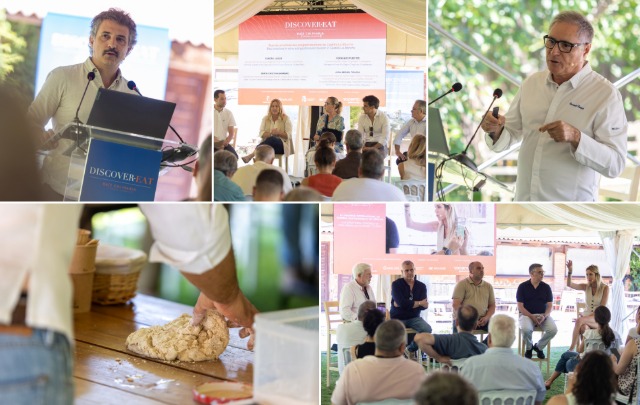
Discover-Eat charts a course towards better gastronomic towns and regions with a bright future
News
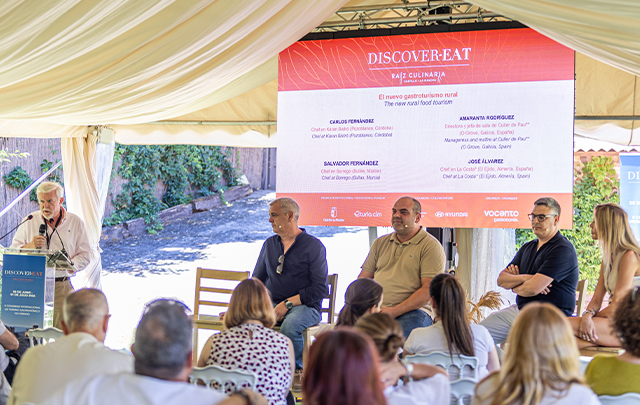
Gastronomic tourism as a lifeline for the countryside
News
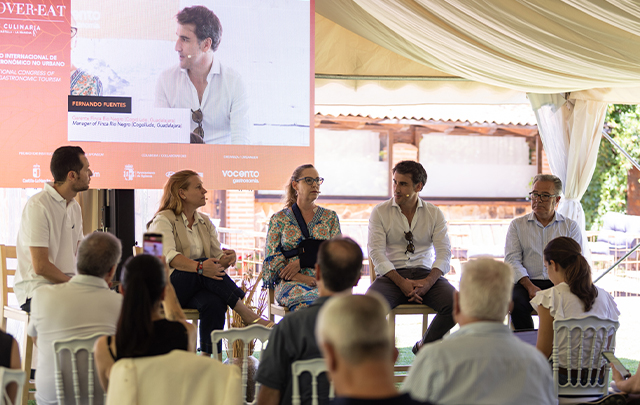
Wine tourism is being reinvented in Castilla-La Mancha: from the cult of wine to enjoyment without snobbery
News

When Spain didn’t know how to market its cuisine or its stars
News

Huesca: a hub for haute cuisine and radical hospitality
News
Bread, that great unknown
News
Rural tourism is also looking to the stars for allies
News
Rural tourism and artisan cheeses: how the Spanish countryside is reinventing itself
News
Astrotourism and dark skies: when the countryside becomes cosmic luxury
News