
News
Gastronomy as a driving force for reconstruction and development in Manabí
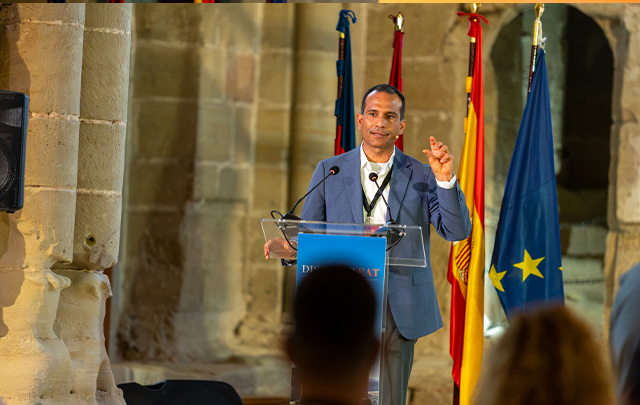
Orazio Belletini, director of the Fuegos Foundation, described the process of transformation in Manabí, an Ecuadorian province rich in biodiversity and culture, but marked by structural poverty that stands in stark contrast to its productive potential. He pointed out that, despite producing world-class fine-aroma cocoa, prawns and tuna, only 3 per cent of these products have added value. The turning point was the 2016 earthquake, which forced the region to choose between prolonging the crisis, rebuilding as before, or reinventing itself.
The strategy, explained Belletini, was to use gastronomy as a driver of social cohesion, identity and economic development. To this end, an educational and productive ecosystem was created, spearheaded by a culinary school for vulnerable young people, a restaurant, a culinary innovation laboratory and a business incubator, all operating under the name Iche. This model blends tradition and innovation, reviving heritage such as the Manabí oven—with 3,500 years of history—and training more than 100 young people to become agents of change in their communities.
Belletini emphasised that Manabí’s gastronomy is understood holistically: it involves producers, consumers, cultural custodians and community stakeholders. This organic process paved the way for the International Institute of Gastronomy, Culture, Art and Tourism to invite Manabí, in 2023, to apply for recognition as a global gastronomy region. The bid was based on four pillars: women’s leadership, the preservation of traditional techniques and products, regenerative education for young people, and the development of gastronomic tourism experiences.
The result was Manabí’s designation as a World Gastronomy Region for 2026 and the drafting of a five-year plan, ‘Manabí, Millennial Gastronomy’, comprising eight projects centred on regenerative gastronomy, education, innovation, cultural promotion, the enhancement of rural life and transparent governance mechanisms. Belletini highlighted five key lessons, including not letting crises go to waste and turning diversity into opportunity through a shared vision. Young people, he said, have played a leading role in countering the rise of illegal economies, finding in cooking a path to the future.
Finally, he defined gastronomy as a “superpower” capable of bringing together sectors with different ideologies, ages and socio-economic backgrounds around the same table to agree on a common path. In Manabí, that course has already been charted: for its millennia-old gastronomic culture, represented by elements such as cocoa, mangroves and coffee, to become the spearhead of a fairer and more inclusive development for the entire region.
Related news
News
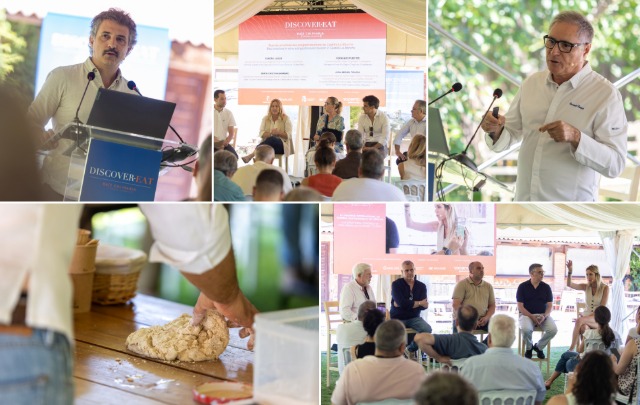
Discover-Eat charts a course towards better gastronomic towns and regions with a bright future
News
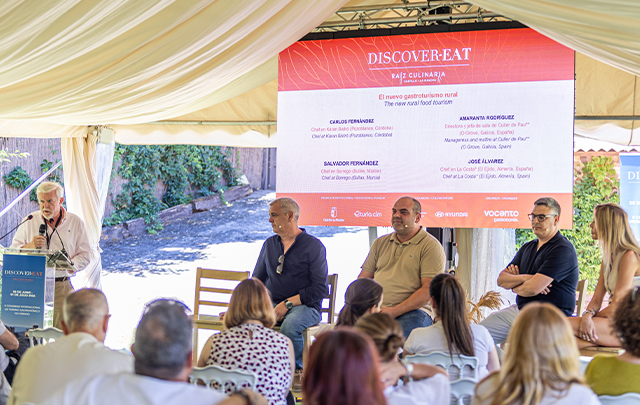
Gastronomic tourism as a lifeline for the countryside
News
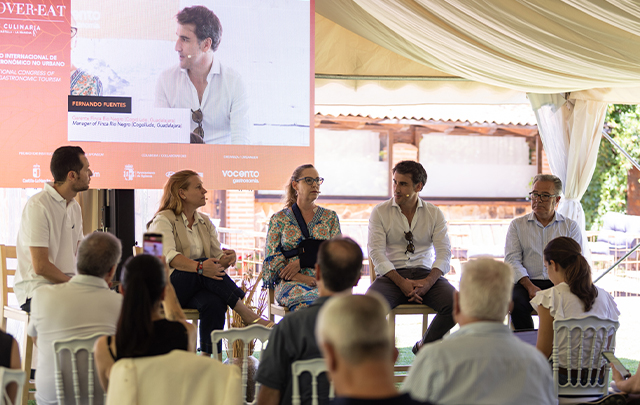
Wine tourism is being reinvented in Castilla-La Mancha: from the cult of wine to enjoyment without snobbery
News

When Spain didn’t know how to market its cuisine or its stars
News

Huesca: a hub for haute cuisine and radical hospitality
News
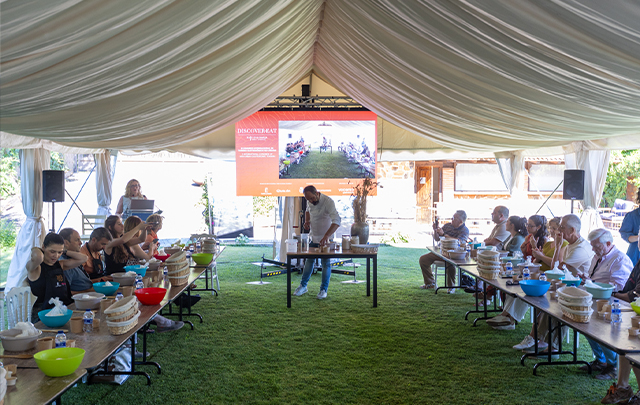
Bread, that great unknown
News
Rural tourism is also looking to the stars for allies
News
Rural tourism and artisan cheeses: how the Spanish countryside is reinventing itself
News
Astrotourism and dark skies: when the countryside becomes cosmic luxury
News