News
Rusticae champions high-quality rural tourism and locally sourced cuisine
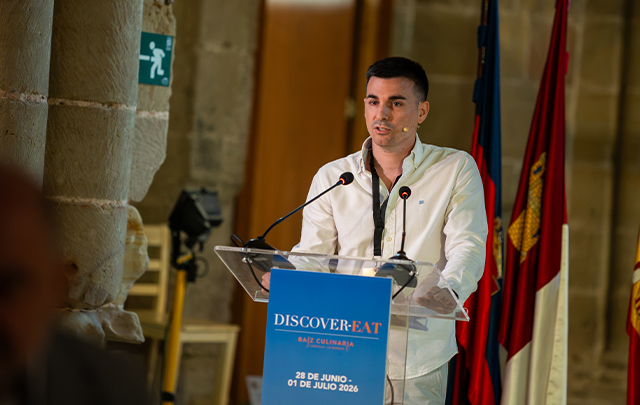
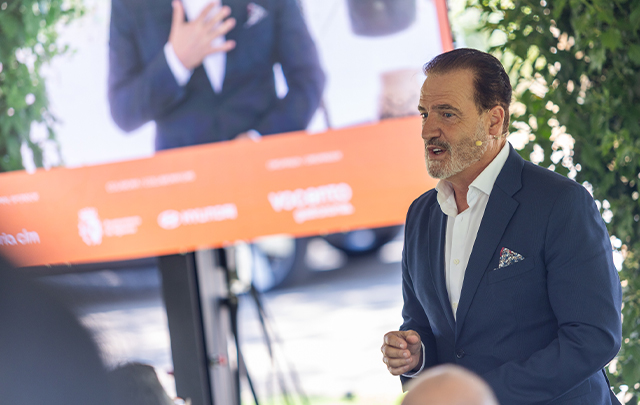
Rubén Pérez, a representative of Rusticae, focused his presentation on debunking the overly optimistic view often conveyed by macro tourism figures in Spain. Although the country is breaking records for visitor arrivals and the media reports occupancy rates close to full capacity, Pérez warned of the wide gap that exists between different segments: while the overall average hovers around 70%, occupancy in rural areas can drop as low as 20% annually. In this context, he argued that the sector’s true potential for growth lies in looking inward and in promoting less mass-market tourism—one that is more closely tied to the local area and the quality of the experience.
Rubén, he explained, is an accommodation club that has spent 30 years personally selecting and auditing small, unique hotels, with more than 200 establishments spread across Spain, Portugal, Morocco, and Italy. The recent acquisition by the Barceló Group represents, according to Pérez, a leap in visibility and access to strategic information, such as tourism forecast reports through 2050. This combination of an umbrella brand and rigorous selection translates into numbers: the average revenue per guest and revenue per room at Rusticae properties comfortably exceed the industry average, supported by a clear positioning in luxury tourism and meticulous attention to detail. One of the keys to this success is gastronomy. Pérez stated that the focus has shifted from “accumulating stars” to the pursuit of authenticity, where a small rural restaurant—with genuine ingredients and its own story—can compete in terms of guest satisfaction with major gastronomic institutions. In this context, the “zero-kilometer” concept is taken to the extreme of “20 meters”: on-site vegetable gardens from which produce travels directly to the hotel kitchen. Some accommodations allow guests to pick vegetables from the garden before the chef prepares them, reinforcing the sense of closeness, freshness, and harmony with the surroundings.
The speaker also highlighted the rise of immersive experiences as a key differentiator. Travel is no longer just about staying in a hotel, but about engaging with the destination through activities that connect travelers to local life: traditional cooking classes, mushroom-picking excursions, or fishing trips with the accommodation’s owner. In some cases, Pérez explained, the fish or foraged items are then turned into a meal that the group cooks and shares, generating high perceived value and a high average spend. These are offerings designed for small groups, highly personalized, and far removed from mass marketing.
Sustainability and responsible tourism are emerging as another key pillar. According to Pérez, high-spending international customers, in particular, are beginning to choose accommodations based on specific practices: efficient water management, “plastic-free” policies, or a genuine commitment to local suppliers. Added to this is the need to adequately cater to dietary “micro-tribes”—vegans, vegetarians, and others with specific needs—to which, in his view, Spain has adapted with remarkable speed and quality, even in rural settings.
The development of gastronomy in many Rusticae hotels is not optional, but rather a response to the reality of destinations where there are simply no nearby dining options. This has forced hoteliers to professionalize their kitchen and dining room operations and to design services tailored to very small establishments: à la carte breakfasts, presentations designed to elicit the “wow effect,” and almost artisanal service.
Pérez cited the example of a hotel that presents breakfast on a large tray filled with carefully selected and thoughtfully arranged items, managing to surprise guests first thing in the morning.
Technology, in Pérez’s view, plays a strategic role in the sector’s transformation. He noted that 30% of online traffic already flows through AI-based applications, such as ChatGPT, and that many of the club’s accommodations are wondering how to “show up” on these platforms. He emphasized the urgency for rural tourism to catch up—both in terms of digital tools and distribution strategy—to avoid over-reliance on major platforms like Booking. At the same time, social media—especially Instagram and TikTok—has become the main source of bookings for some hotels, surpassing even traditional channels.
Another distinguishing feature that Pérez attributed to Rusticae is its network of local partners. Small hotels act as true drivers of the destination thanks to their direct relationships with local cheese makers, wineries, potters, fishermen, and producers. This extensive network allows for the creation of exclusive experiences, such as visits to century-old wineries, pottery workshops, or tours of the estuary with veteran sailors who give visitors a behind-the-scenes look at oyster rafts and working boats. These offerings not only enrich the traveler’s stay but also generate additional income for suppliers who would otherwise have difficulty accessing major distribution channels.
When it comes to the products themselves, luxury is expressed in the details and in harmony with the local area: unique tableware crafted piece by piece by local potters, breakfasts and dinners that tell a clear story through the food, or tours that connect guests with the origin of what they consume. For Pérez, this culinary storytelling—amplified on social media—is key to attracting an audience that does its research before booking and, if satisfied, becomes a powerful advocate for both the accommodation and the destination.
In his conclusion, Rubén Pérez argued that the future of tourism in Spain lies in rebalancing the landscape: leveraging the strength of the country brand and the appeal of major destinations, while channeling resources, creativity, and technology into rural inland areas, where there is still both physical and market space. Small, high-quality accommodations, organized into networks such as Rusticae, can—in his view—lead this change by combining understated luxury, authentic cuisine, genuine sustainability, and a firm commitment to the local economy.
Related news
News
Discover-Eat charts a course towards better gastronomic towns and regions with a bright future
News
Gastronomic tourism as a lifeline for the countryside
News
Wine tourism is being reinvented in Castilla-La Mancha: from the cult of wine to enjoyment without snobbery
News

When Spain didn’t know how to market its cuisine or its stars
News

Huesca: a hub for haute cuisine and radical hospitality
News
Bread, that great unknown
News
Rural tourism is also looking to the stars for allies
News
Rural tourism and artisan cheeses: how the Spanish countryside is reinventing itself
News
Astrotourism and dark skies: when the countryside becomes cosmic luxury
News