
News
The traditional cuisine that won over the Gastronomic Tourism Congress
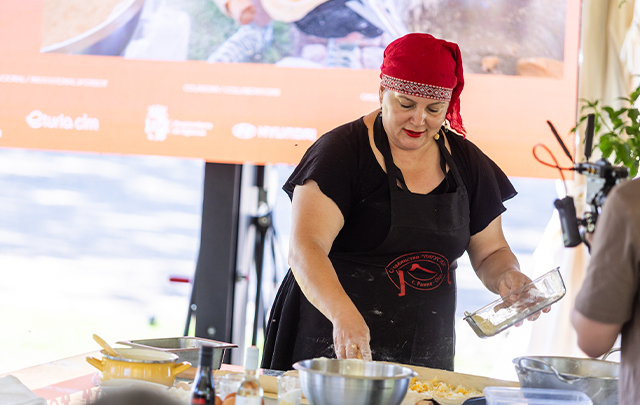
At the Río Negro winery in Cogolludo, on the second day of the International Congress on Non-Urban Gastronomic Tourism, Natasha Nedanoska from Macedonia became the prime example of how rural authenticity can become a driving force for development. A language teacher, poet, cook and farmer, she recounted how she decided to move with her family to Ramne, in Galichica National Park, to restore the old stone house she had inherited and transform it into a living agritourism venture: Pirustija Nedanoski.
Her venture is not a conventional restaurant, but an immersive experience of everyday life in the Balkans: visitors knead bread, bake traditional cakes, gather vegetables and collect eggs from the henhouse, and cook over an open fire using tools handed down from their great-great-grandparents. During the pandemic, her garden became a refuge: whilst the world was in lockdown, her family continued to gather mushrooms, fruit and vegetables, and began welcoming small groups seeking fresh air and safety – a development that marked the project’s real take-off.
Nedanoska emphasised that what she offers “is nothing special” in sophisticated terms, but rather exactly what previous generations did: welcoming guests into the home with a traditional welcome dish and a table laden with Macedonian specialities made from produce grown in her own vegetable garden. The speaker championed cooking as an educational tool: even before becoming a professional in rural tourism, she would take her students to her garden to teach them the language and, above all, traditions—a practice that has now taken shape in her ‘uchime’ cookery classes, where they ‘make pies with joy’.
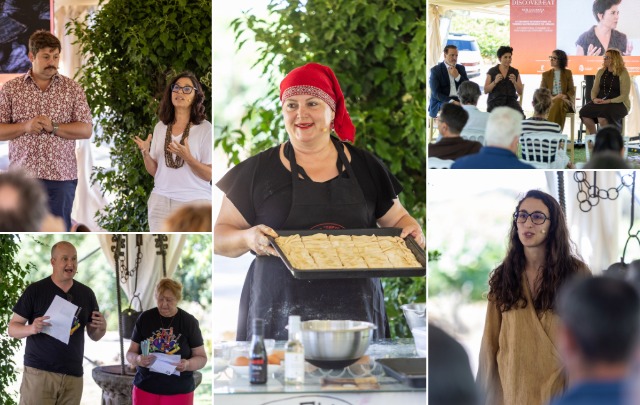
The pie she made live on stage, with a crisp pastry and a soft filling — cheese, eggs and whatever vegetables were available from the vegetable patch — encapsulated her philosophy: a recipe passed down from grandmother to granddaughter, adapted to seasonal produce and baked ‘the old-fashioned way’ under an iron dome with embers and ash which, as her son Cristian explained, replicates an electric oven but with an incomparable flavour. Her work has led her to collaborate with sports organisations by providing catering, to take part in television programmes, and to represent Macedonia in the Slow Food movement in Turin.
Recognised by her country’s Ministry of Economy for her contribution to rural tourism, Nedanoska is part of a new agritourism platform that documents these kinds of experiences through video and photographs, as well as being listed on Airbnb and TripAdvisor. Amidst anecdotes and technical details about her cooking, there was also room for music: the hostess sang a Macedonian song whose message — you cannot be a hero if you fear the rain and the wind — served as a metaphor for her own journey.
The talk concluded with an explicit invitation to the audience: to travel to Ramne, share a meal in her courtyard, try the meat and eggs from her animals, the coffee and the freshly baked cake, and, for a few hours, become part of the Nedanoski family.
Related news
News
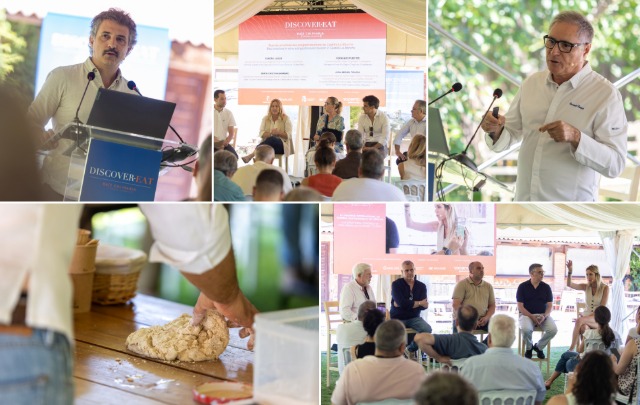
Discover-Eat charts a course towards better gastronomic towns and regions with a bright future
News
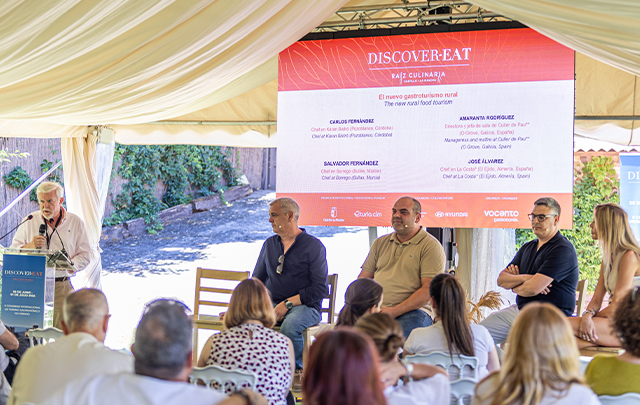
Gastronomic tourism as a lifeline for the countryside
News
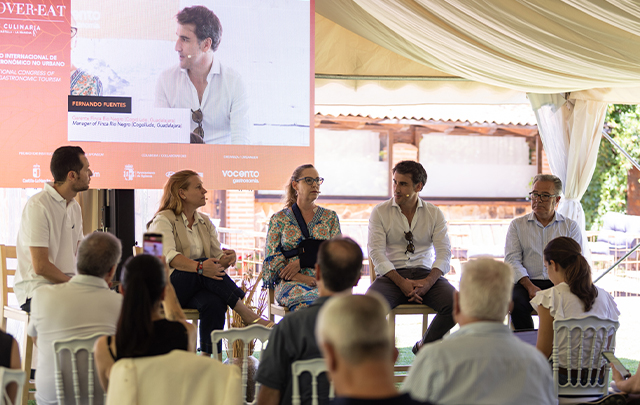
Wine tourism is being reinvented in Castilla-La Mancha: from the cult of wine to enjoyment without snobbery
News

When Spain didn’t know how to market its cuisine or its stars
News

Huesca: a hub for haute cuisine and radical hospitality
News
Bread, that great unknown
News
Rural tourism is also looking to the stars for allies
News
Rural tourism and artisan cheeses: how the Spanish countryside is reinventing itself
News
Astrotourism and dark skies: when the countryside becomes cosmic luxury
News